Four architectures, compared
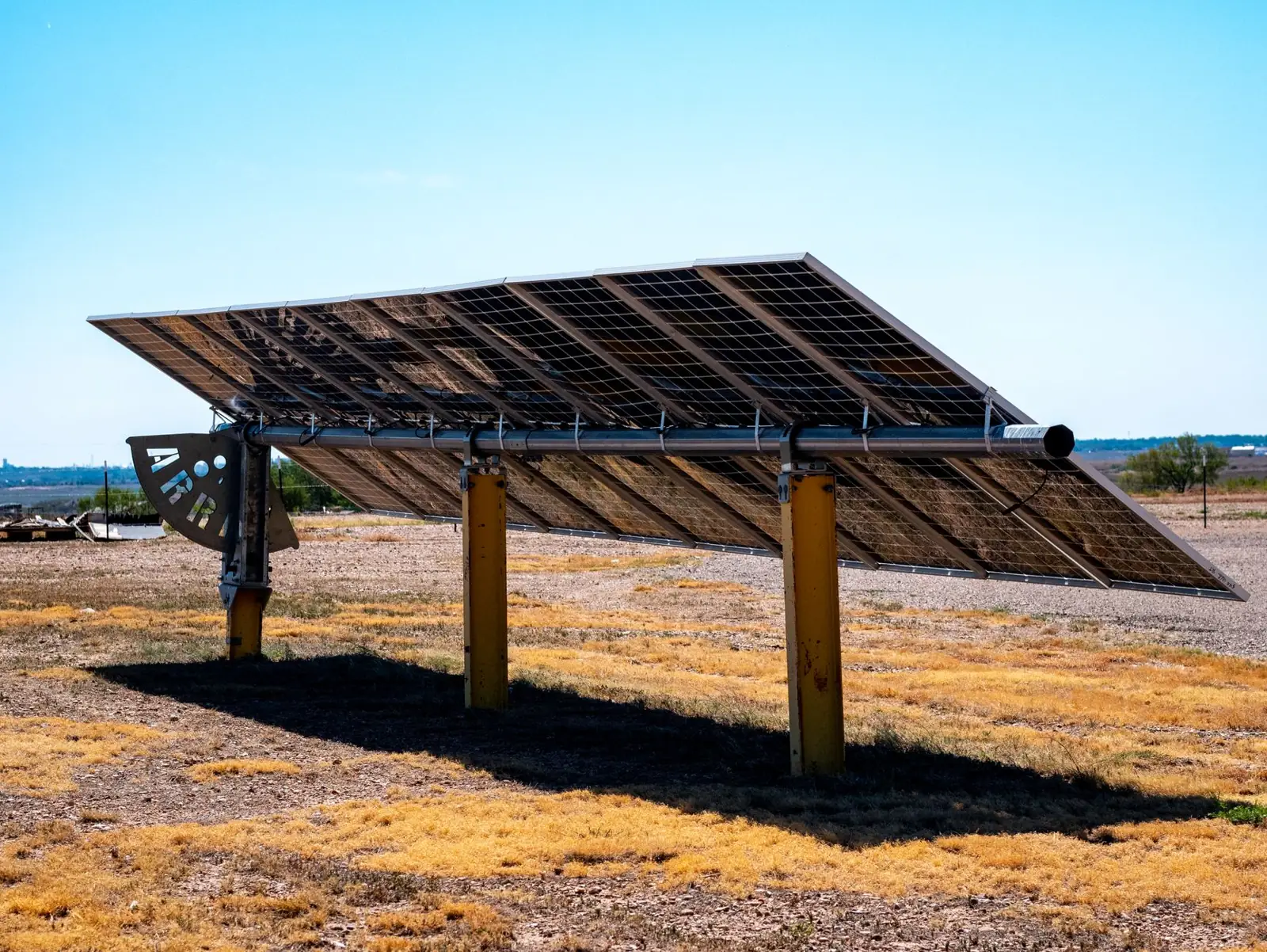
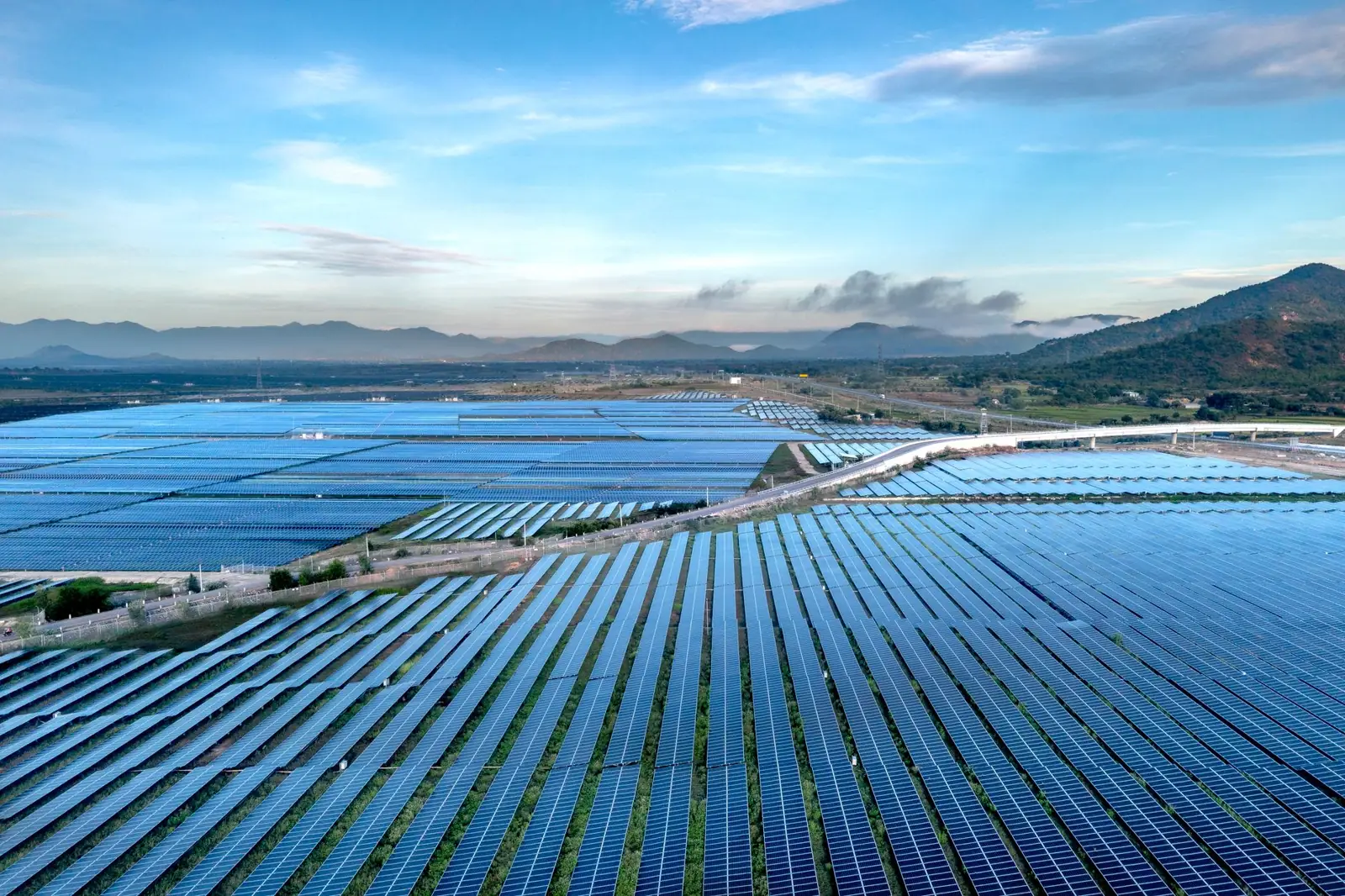
Utility and commercial ground-mount solar sits on one of four foundation approaches. Soil, refusal risk, wind and snow loads, corrosion and the domestic content plan decide which one wins, and many large sites use two.
| Criterion | Driven W-beam | Roll-formed C-pile | Helical / ground screw | Hybrid zone plan |
|---|---|---|---|---|
| Best soil | Clay, sand, silt; stiff soils | Clean cohesive soils | Rock, caliche, till, soft clay, frost | Mixed sites with mapped rock |
| Lateral / bending stiffness | High (W6x12–W6x15, W8x10) | Moderate | Moderate–high (shaft dia.) | Per zone |
| Install speed | 100–250/rig-day clear soil | 120–250/rig-day | 60–150/rig-day | Two spreads in parallel |
| Refusal tolerance | Low; pre-drill each refusal | Lowest; thin wall deforms | High; screws through rock | High in rock zones |
| Corrosion margin | Best (0.170–0.230" web + HDG) | Thinner wall, G235 | Depends on shaft wall + HDG | Per zone |
| IRA Steel or Iron | 100% U.S. melt & pour required | 100% U.S. melt & pour required | 100% U.S. melt & pour required | Both products |
| Installed $/pile | $105–$270 (W6x9–W6x15) | $80–$150 | $120–$250 utility; $180–$400+ C&I | Weighted mix + mob |
| Foundation $/Wdc | ~$0.03–$0.07 | ~$0.02–$0.04 | ~$0.03–$0.07 | Site-specific |
Installed ranges assume 10–14 ft piles at normal U.S. utility volumes and include steel, galvanizing, freight and driving. Refusal adders are extra. Detailed unit rates are on 2026 pricing benchmarks.
Driven wide-flange W-beams
Hot-rolled W6 and W8 sections in ASTM A572 Grade 50 or A992, punched for the tracker bearing or fixed-tilt bracket and hot-dip galvanized to ASTM A123. They are the default on most single-axis tracker plants: forgiving to drive, stiff in bending and carrying the most steel for corrosion. Section properties and specs →
Roll-formed C-piles
Lipped channels, about 4.5" × 7.625", roll-formed from 55–80 ksi pre-galvanized G235 coil. Less steel per foot and a large perimeter for skin friction make them the low-cost option on clean cohesive soils. C-pile vs. W-beam comparison →
Helical piles & ground screws
Torque-installed steel shafts. Helical piles anchor in deep bearing strata under soft clay, peat and frost-heave zones, while ground screws thread through caliche, dense gravel, glacial till and rocky slopes. No concrete and no cure time, and torque verifies capacity on every pile. Mechanics and pricing →
Hybrid & refusal remediation
When borings or test driving show refusal, the choice is pre-drilling each refused hole or switching foundation type in the rocky zones. Past roughly 25–30% refusal, the switch usually saves money. Refusal economics →